Input, Processing, Output: The Creative Cycle That Actually Works

Ideas don’t arrive on command.
The subconscious does most of the work while your conscious mind is occupied elsewhere—walking, showering, doing anything except actively trying to solve the problem.
This isn’t magic. It’s a process with three distinct phases: input, processing, and output.
Understanding which phase you’re in changes everything.
Input: Gathering the Pieces
The input phase requires conscious work. You’re gathering information, defining the problem, collecting as much knowledge as possible about the subject and adjacent topics.
This means research, sketching, making lists, analyzing ideas, reading from diverse sources.
Theater trained me to cast a wide net. With limited budgets and fast turnarounds, you design from what you’ve already absorbed. The broader your reference library, the more combinations become available.
Most of what you gather won’t map directly to the project. You’re building material that can recombine later in ways you can’t predict yet.
The mistake is researching only what seems immediately relevant. That assumes you already know what the problem needs.
Processing: Where Connections Form
This is the subconscious phase. When your mind is completely focused on a problem, the brain works in linear paths. But when you take your hands off the wheel, the brain wanders through your library of information, making loose associations and connections.
Activities that support this: taking walks, leisure activities, casual conversation, relaxing, playing or listening to music, reading.
The processing phase is largely subconscious and often results in the eureka moment. You’re putting yourself in a state where your imagination can cross-pollinate information and connect dots in original ways.
This phase is invisible. Hard to schedule. But you can create conditions that make it more likely by protecting time for not-working.
Output: Making It Real
The output phase starts at the moment of eureka. Your conscious mind engages again to organize the idea into something legible.
This is where you articulate clearly defined concepts, analyze value and relevance, communicate ideas to others.
There’s crossover between output and input—often the products from output feed directly back as input for the next cycle.
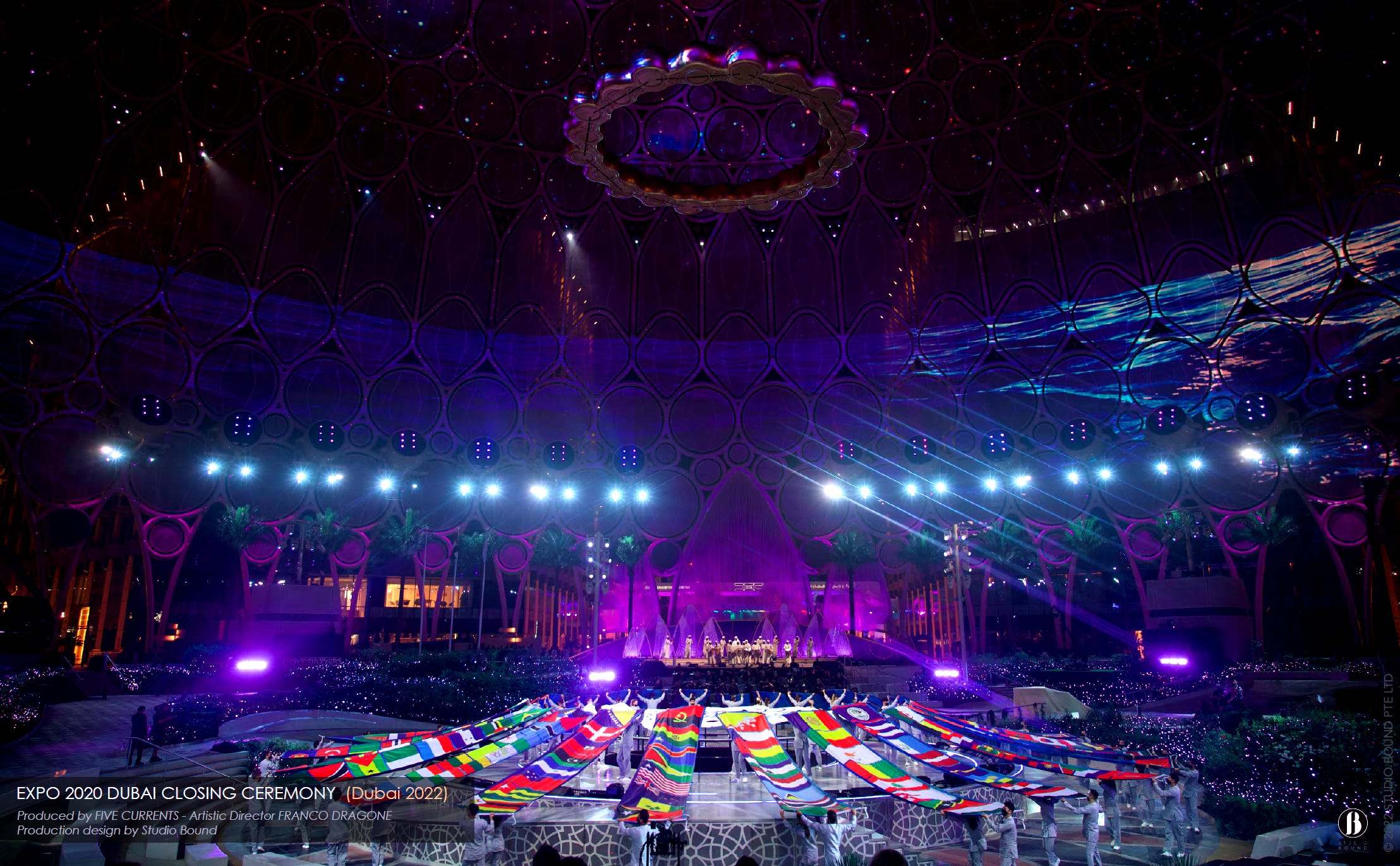
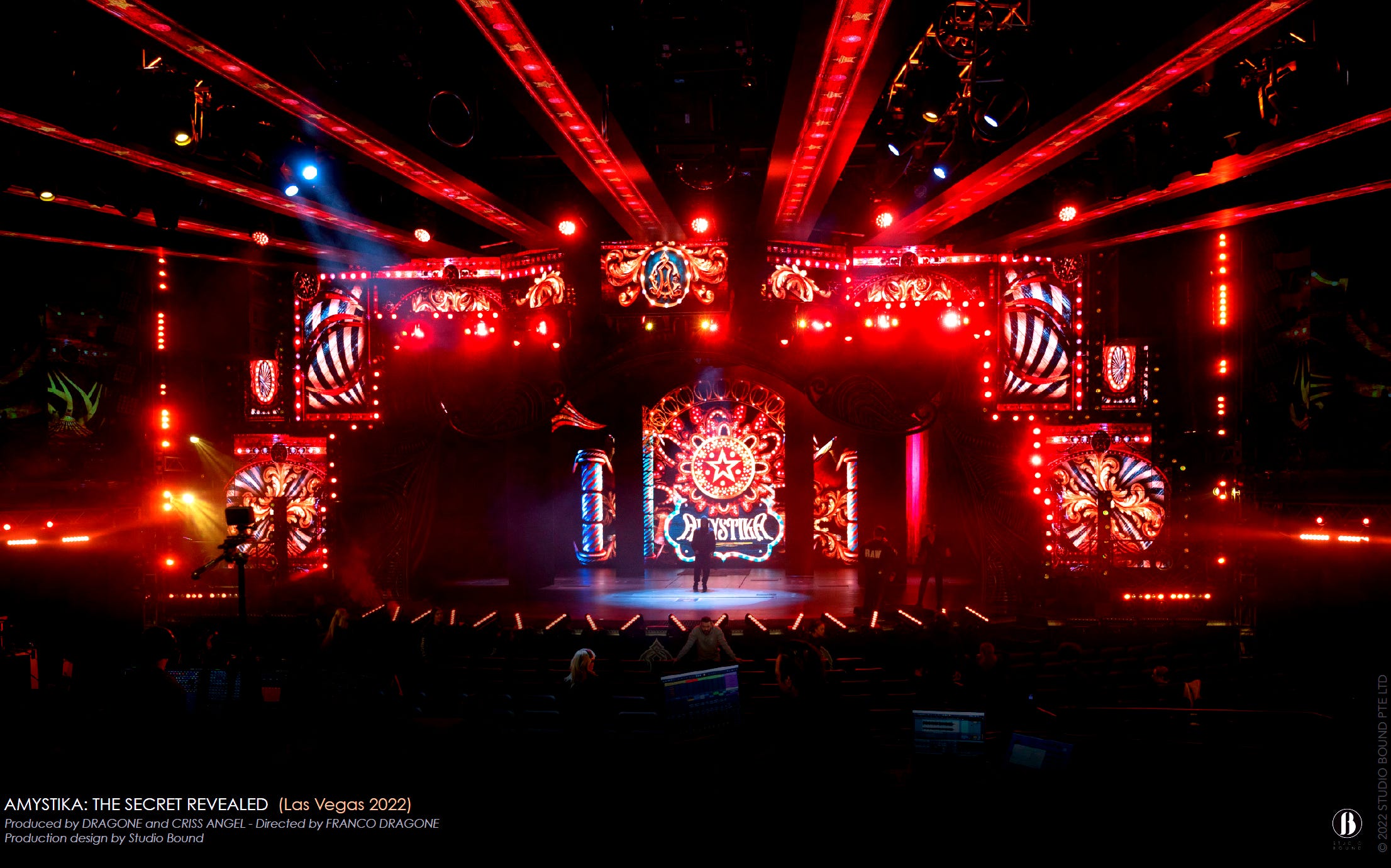
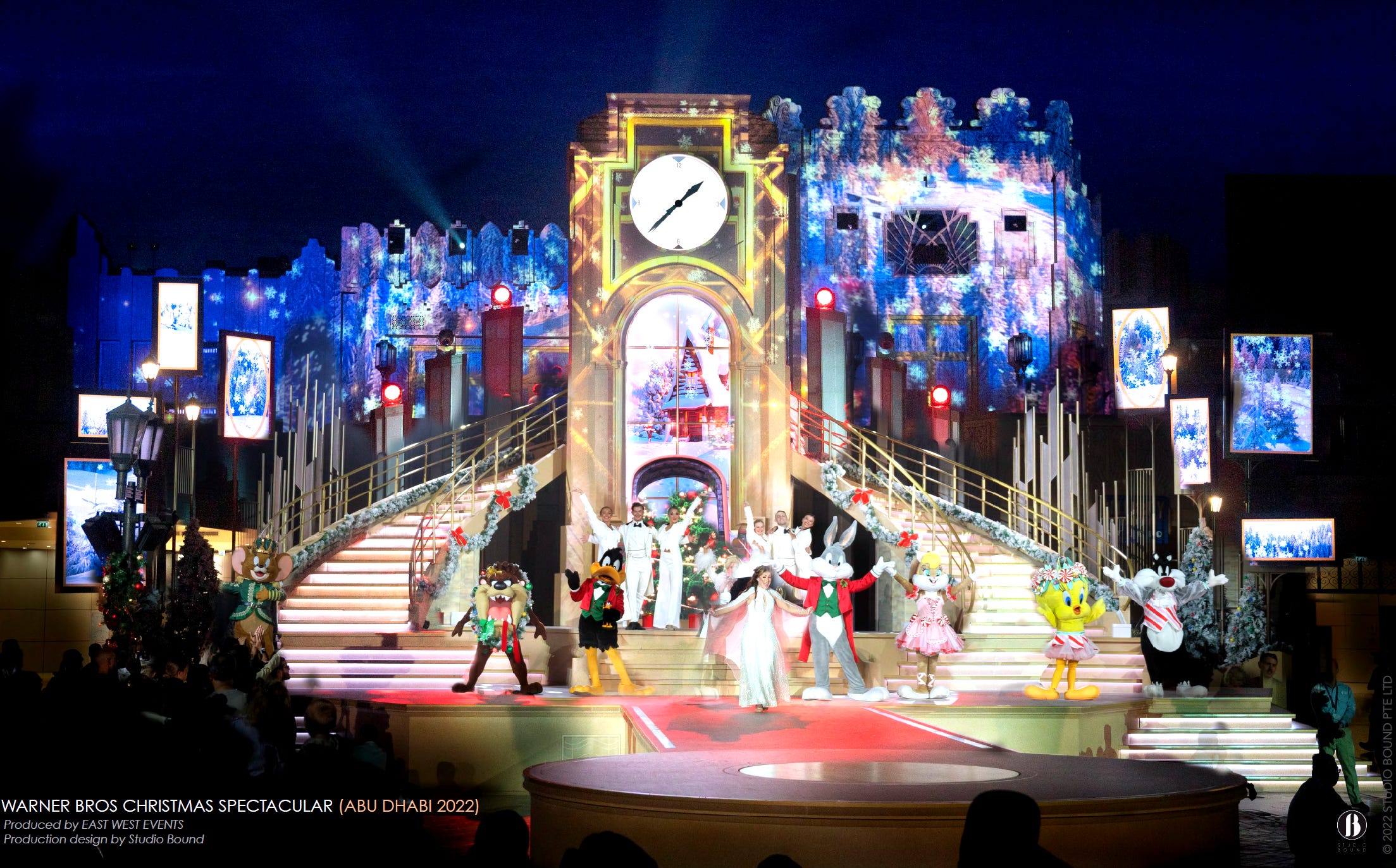
For Expo 2020 Dubai ceremonies, this meant coordinating over 400 professionals from 56 countries. For AMYSTIKA in Las Vegas, it meant translating psychological illusion concepts into physical scenic elements.
Output requires craft. Execution that turns subconscious insight into physical reality.
Why the Balance Matters
Focusing only on input can feel like progress. You get dopamine hits from researching and planning. But without processing that material and generating output, you’re stuck.
Each phase needs respect and the proper allocation of time. Too much or too little of any one activity throws off the balance and hinders real creativity.
The process isn’t linear. It’s a continuing cycle.
The work is knowing when to utilize each phase. Like a digital artist knowing when to use a paintbrush versus a fill bucket.
The Pattern Repeats
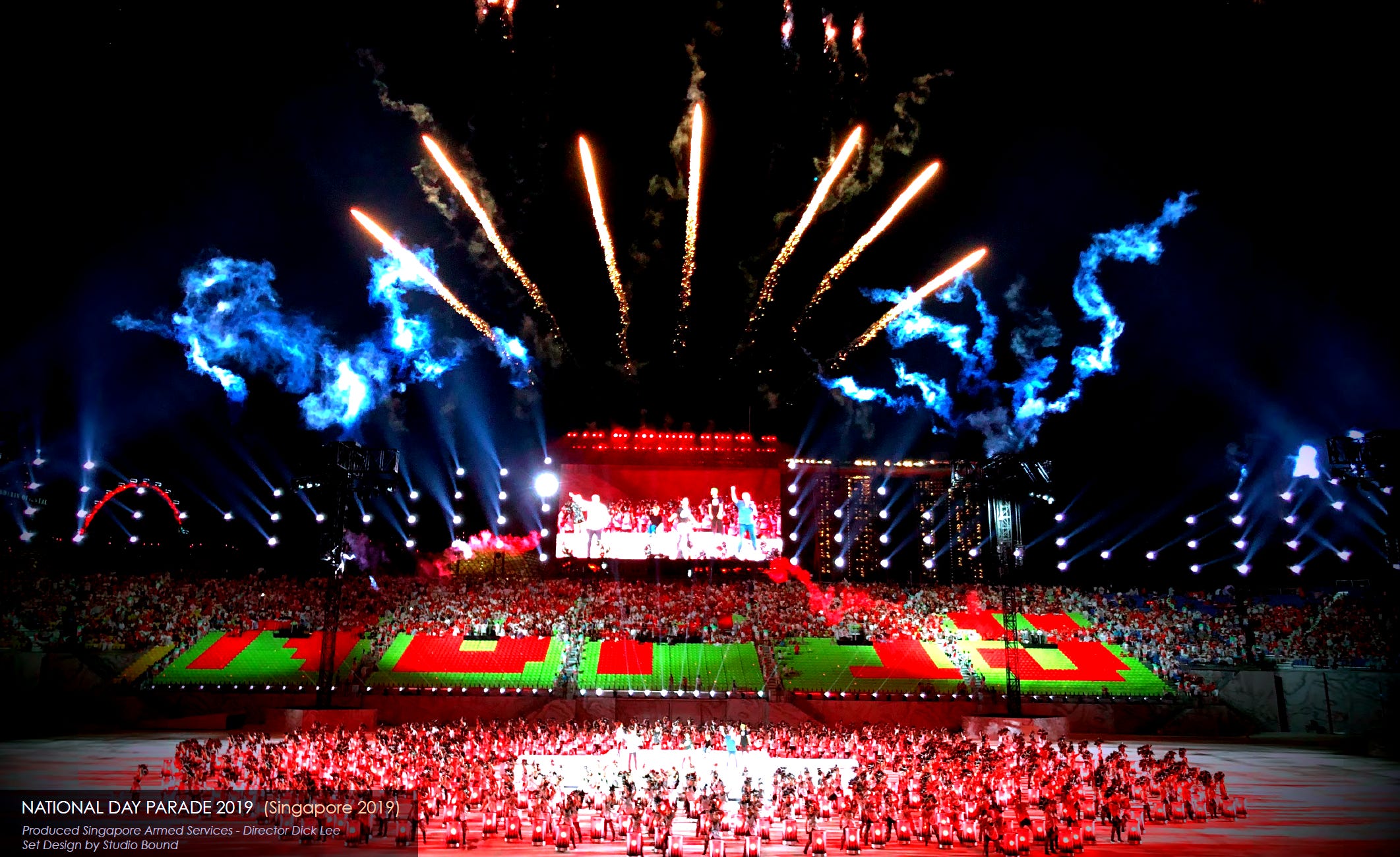
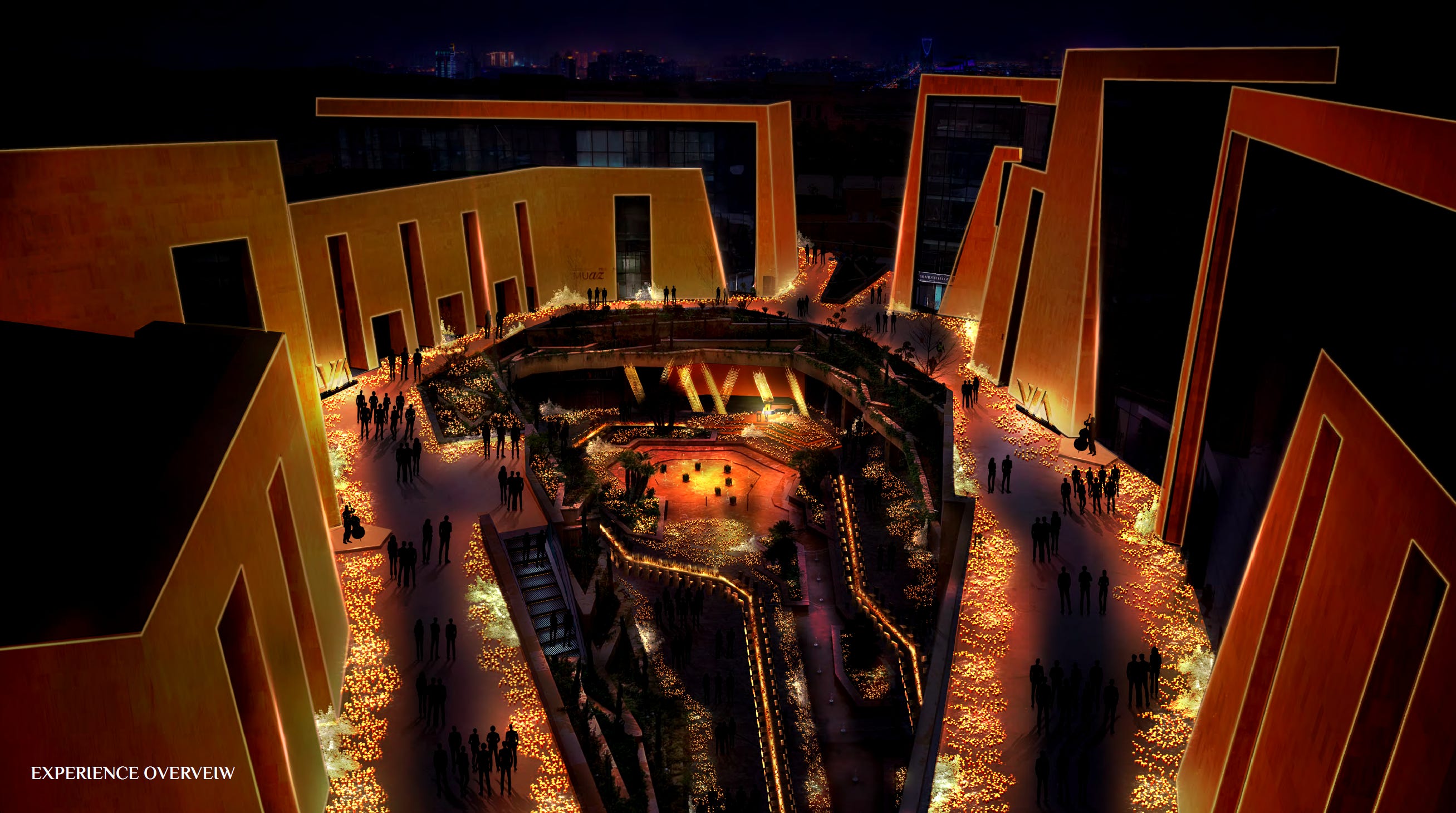
Different projects demand different rhythms. Large ceremonies compress timelines. Stadium shows require designing emotion visible from hundreds of meters away. Magic residencies mean building for psychological illusion.
But the underlying cycle stays consistent: gather material, let it process subconsciously, make it real.
Not mystical. Mechanical in its own way.
A rhythm you can recognize and work with.
About Patrick Larsen
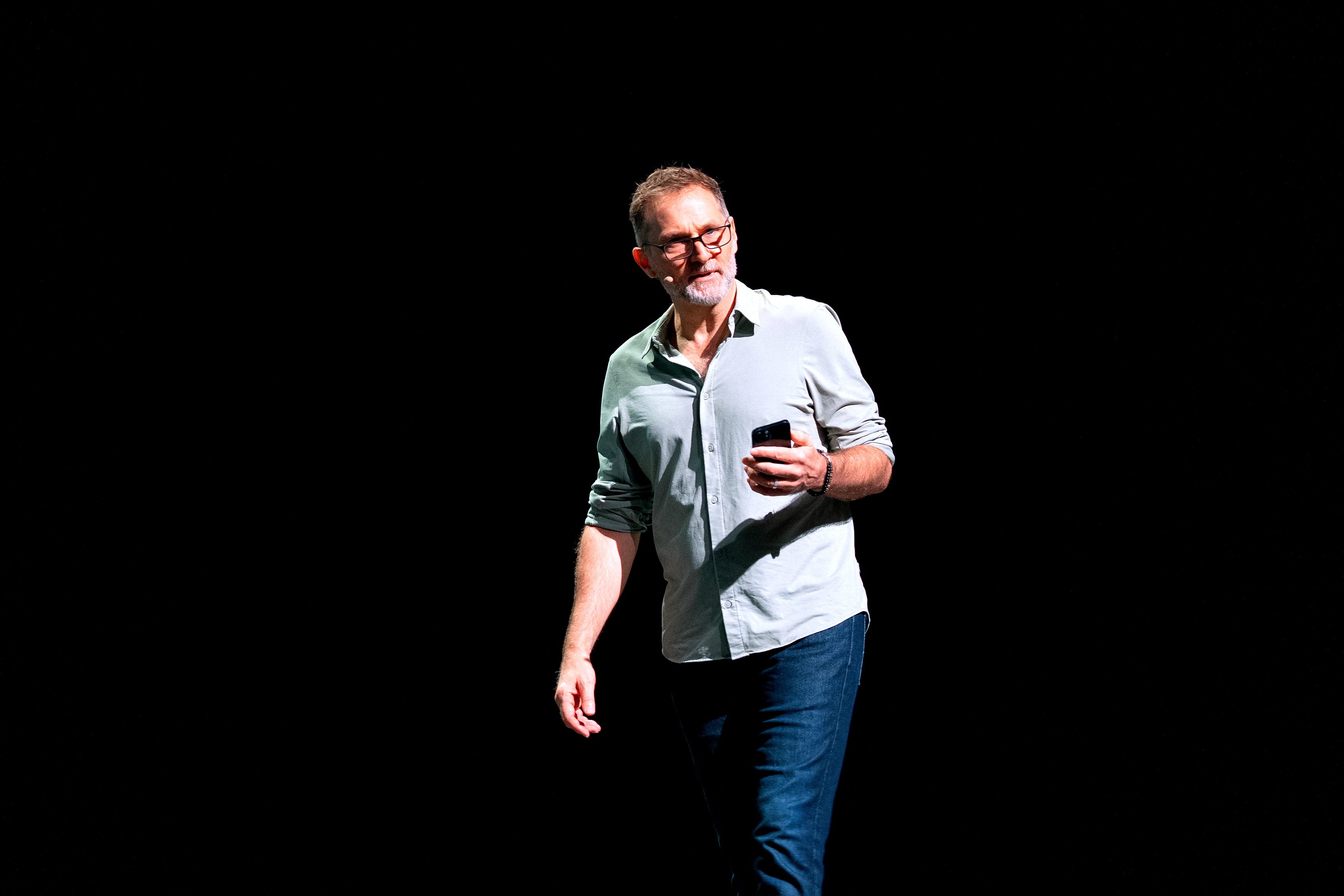
Patrick Larsen is an Emmy Award-winning production designer and founder of Studio Bound in Singapore. Recent work includes VIA Riyadh Opening Gala featuring John Legend (2023), Warner Bros Christmas Spectacular in Abu Dhabi (2022), AMYSTIKA in Las Vegas (2022), Lusail Music Festival in Doha (2022), and Expo 2020 Dubai opening and closing ceremonies. Read more at patricklarsen.studio
Further reading: How Ideas Actually Happen | Why Your Best Ideas Come in the Shower — And How to Make It Happen More Often